

Key Takeaways
Electrotherapy is widely used for pain relief, rehabilitation, and recovery. TENS machines, clinical stimulators, and other electrotherapy devices are generally considered safe, but the side effects of electrotherapy can include skin irritation, muscle soreness, and, rarely, burns or interference with implanted devices.
- Most reactions are mild and localized, such as temporary redness, tingling, allergic reactions, or minor soreness.
- Serious complications are uncommon and usually linked to misuse, poor-quality equipment, or ignoring contraindications such as pacemakers, pregnancy, or active malignancy.
- Electroconvulsive therapy uses electrical energy in a very different way from standard physical therapy and must be managed in specialist settings.
- Syrma Johari MedTech helps global OEMs design and manufacture electrotherapy devices with built-in safety features, regulatory compliance, and risk controls.
What Is Electrotherapy and Why Side Effects Matter
Electrotherapy is the use of controlled electrical currents or fields for medical purposes: to reduce pain, support healing, improve wound healing, or stimulate muscles. Electrotherapy encompasses transcutaneous electrical nerve stimulation, NMES, interferential therapy, microcurrent, therapeutic ultrasound, and low-level laser therapy.
TENS is commonly used for pain relief by delivering low-frequency electrical pulses that block pain signals from reaching the brain, while NMES is used to stimulate muscle contractions for rehabilitation purposes. Interferential therapy uses medium-frequency currents to penetrate deeper tissues, making it effective for treating chronic pain conditions, particularly in the lower back. Low-level laser therapy can promote tissue repair and reduce pain, including in joint pain and osteoarthritis. Therapeutic ultrasound uses sound waves to accelerate healing, although it is mechanical energy and is often grouped with electrotherapy terminology.
Medical electricity has been discussed since ancient times, while modern electrotherapy grew rapidly in the twentieth century. Today, battery powered devices and clinic systems are used for chronic pain, post-operative recovery, injury rehabilitation, chronic inflammation, muscle atrophy, and pain management.
Still, any medical device that applies electricity to the body can affect nerves, skin, muscles, blood flow, and implanted electronics. For Syrma Johari MedTech, understanding typical side effects is part of safety-by-design, ISO 14971 risk management, and IEC 60601 electrical safety.

Common Mild Side Effects of Electrotherapy
Most patients undergoing electrotherapy sessions experience no reaction or only short-lived symptoms. Skin irritation and minor muscle soreness are common side effects of electrotherapy, and they typically resolve within 30 to 60 minutes after treatment, though some soreness may last up to 24 hours.
Common mild effects include:
- Temporary skin redness at electrode sites
- Mild warmth, itching, or imprint marks from adhesive electrode pads
- Minor muscle soreness after neuromuscular electrical stimulation
- Tingling during treatment, which is the intended therapeutic effect rather than a side effect
During a treatment session, tingling, buzzing, or tapping under the electrodes usually means adequate nerve stimulation. Patients should feel discomfort only within a tolerable range. If the sensation changes to sharp pain, burning, cramping, or other symptoms, users should reduce intensity or stop stimulation.
Less Common and Moderate Side Effects
Moderate side effects are infrequent but important for informed consent and labeling. Some patients develop allergic or irritant reactions to conductive gel, electrode pads, tapes, or adhesives. Hypoallergenic pads, site rotation, and better skin preparation usually help.
Other moderate effects include dizziness, light-headedness, fatigue, localized swelling, or a temporary flare of pain. These are more likely in deconditioned patients, people with cardiovascular issues, or when treatment parameters are too aggressive during an acute injury phase.
Most moderate effects can be controlled by adjusting intensity, shortening the physiotherapy session, checking pad contact, and following manufacturer instructions for tens units, a tens machine, and other stimulators.
Serious and Rare Risks: When Electrotherapy Can Be Harmful
Serious complications are rare, but they can occur if contraindications are ignored or devices are misused. Electrical burns can occur if the device intensity is too high, equipment is faulty, or electrodes are placed directly over broken skin.
Burns and tissue damage are also associated with dry pads, damaged electrodes, prolonged high-intensity stimulation, metal implants beneath the treatment area, or poor skin contact. Electrotherapy should not be applied over areas with active cancer, broken skin, or infections to avoid compounding health risks.
Implanted devices, such as cardiac pacemakers, can be disrupted by electrical currents, which may lead to dangerous arrhythmias. Implantable cardioverter-defibrillators and deep brain stimulation systems require special caution; a systematic review on electrical stimulation and cardiac devices found lower limb use may be lower risk, but chest and trunk placement remain high concern.
Trans-thoracic stimulation and stimulation over the carotid sinus are avoided because they may disturb heart rhythm, lower blood pressure, or cause syncope. Electrotherapy is contraindicated for patients with malignancies, as electrical stimulation could potentially promote tumor growth, even though direct evidence of cancer causation is lacking.
Specific Risks by Electrotherapy Modality
Different electrotherapy modalities share risks but also have unique patterns.
| Modality | Main use | Key risks |
| TENS machines | Pain relief, chronic pain | Skin irritation, misuse over chest/front neck, unnoticed burns on numb skin |
| NMES | Muscle contraction, muscle mass support | Cramps, fatigue, strain in frail or post-surgical patients |
| Interferential current | Deeper pain and lower-back therapy | Post-session soreness if intensity is too high |
| Microcurrent/galvanic/HVPC | Wound healing, cellular repair | pH changes, chemical irritation, burns on compromised skin |
| Ultrasound or laser therapy | Healing adjuncts | Heat, field-exposure, or modality-specific risks |
A systematic review of 7 trials with 865 participants found that interferential current reduces chronic non-specific low back pain by 1.57 points on a 0–10 scale compared with placebo, indicating a moderate effect that is clinically meaningful.
Electrotherapy in Mental Health: Side Effects of Electroconvulsive Therapy (ECT)
Electroconvulsive therapy is a specialized hospital medical procedure for severe depression, certain mood disorders, and selected mental illnesses when other treatments fail. ECT introduces distinct risks due to the induction of a brief therapeutic seizure under general anesthesia.
Common side effects of ECT include confusion, memory loss, and physical discomfort such as headaches or muscle aches. Patients may also experience nausea, jaw soreness, temporary changes in blood pressure, or changes in heart rate.
Cognitive effects can include disorientation after awakening, slowed concentration, retrograde memory loss for events before treatment, and anterograde memory difficulty during a course of treatment. Research on ECT memory outcomes shows that modern protocols have reduced risk, especially with unilateral placement and ultra-brief electrical impulses.
Syrma Johari MedTech does not provide psychiatric care, but device designers working in neuromodulation and brain stimulation must follow rigorous safety and regulatory frameworks.
Who Should Avoid Electrotherapy? Absolute and Relative Contraindications
Absolute contraindications mean electrotherapy should not be used; relative contraindications require expert opinion, modified settings, and close monitoring.
Avoid electrotherapy in or near:
- Pacemakers, defibrillators, implanted metallic or electronic devices
- Known arrhythmia risk, trans-thoracic paths, or the front of the neck
- Active malignancy without oncology input
- Suspected deep vein thrombosis
- Infected tissue, recent radiotherapy fields, or broken skin
- Areas with impaired sensation
Electrotherapy is contraindicated for individuals with certain conditions, including those with implanted metallic or electronic devices, such as pacemakers, and pregnant women. Pregnancy contraindicates the placement of stimulation pads over the abdomen or lower back due to potential risks to fetal development, though limb-only TENS may be used with obstetric guidance.
Epilepsy and seizure disorders require neurologist clearance. Home users and clinicians should review instructions for use before starting any treatment.
Minimizing Side Effects During Electrotherapy Sessions
Careful assessment, education, and parameter selection can make electrotherapy safe for most appropriate patients. Healthcare providers should screen patients’ medical histories before starting electrotherapy to mitigate risks, including medical history, medications, implanted devices, neurological status, skin integrity, pregnancy, and mental health.
Best practices include:
- Clean, dry, intact skin before applying electrodes
- Correctly sized pads with firm, even contact
- Low starting intensity and short pulse widths
- Gradual increase to strong but comfortable stimulation
- Clear instructions on normal sensations and stop signs
- Post-session checks for redness, blistering, or delayed pain
Documentation of settings, reactions, and pad placement supports safer care and better product feedback.
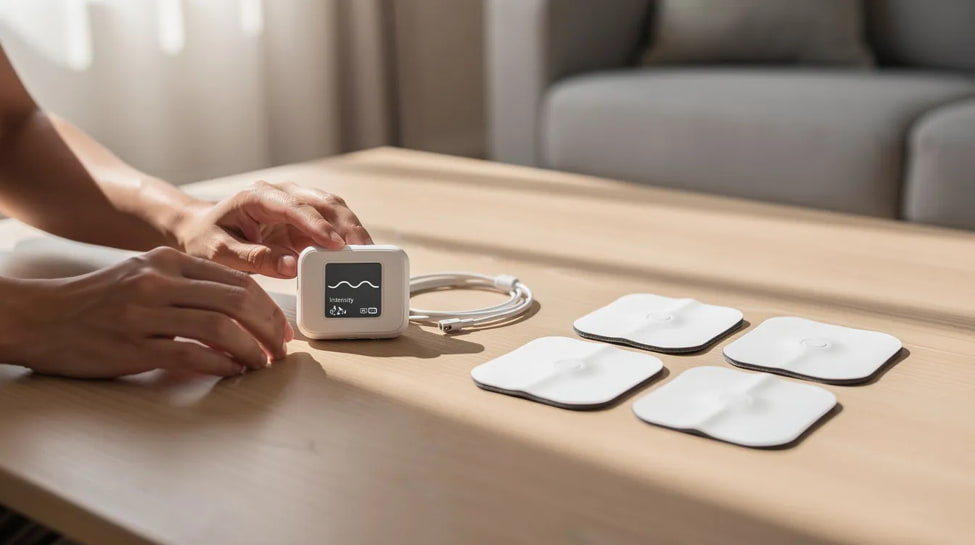
How Electrotherapy Compares With Other Treatments in Terms of Side Effects
Most standard, non-invasive physical therapy treatments carry a low risk of mild, short-term complications. Electrotherapy offers localized, non-drug relief and may reduce reliance on opioids or NSAIDs, which can cause sedation, dependence, gastrointestinal bleeding, kidney injury, or cardiovascular risk.
Electrotherapy is typically used in conjunction with other treatments, rather than by itself, to enhance overall therapeutic outcomes. Evidence consistently shows that electrotherapy produces better outcomes when combined with manual therapy and exercise than when used alone.
Electrotherapy can alleviate pain sufficiently for individuals to participate more actively in targeted exercises during physical therapy sessions. It has also shown unique benefits for post-operative pain and wound healing, particularly its ability to reduce analgesic consumption and accelerate cellular repair.
A systematic review of 381 trials involving 24,532 participants found moderate-certainty evidence that TENS reduces pain intensity during and after treatment, with no serious adverse events reported. Overall, electrotherapy has an excellent safety profile when administered by qualified professionals using calibrated equipment, with systematic reviews reporting that adverse events are either absent or no different from placebo conditions.
Designing Safer Electrotherapy Devices: Syrma Johari MedTech Perspective
Syrma Johari MedTech is a global MedTech CDMO that designs and manufactures electrotherapy devices, pain management systems, and rehabilitation platforms for OEMs worldwide.
Quality and regulatory compliance are critical in the medtech industry, necessitating adherence to international standards and regulations. Syrma Johari MedTech applies ISO 14971 risk management from concept stage to identify hazards such as burns, device interference, misprogramming, and misuse.
Safer designs often include:
- Current limits and leakage current control per IEC 60601
- Automatic shut-off timers
- Impedance monitoring for poor electrode contact
- Lockable parameter ranges for home-use tens units
- Clear alarms and intuitive interfaces
- Labeling for pregnancy, pacemakers, active cancer, and neurological risks
Usability engineering under IEC 62366 helps reduce user error, while verification, validation, clinical evaluation, and post-market surveillance help detect rare adverse events.
With 45+ years of MedTech experience, ISO 13485-certified facilities, MDSAP certification, and support across 80+ markets, Syrma Johari MedTech helps OEMs bring safer devices from concept through commercialization.
When to Stop Electrotherapy and Seek Medical Advice
Early recognition prevents small reactions from becoming serious complications. Stop stimulation immediately if you notice:
- Sharp or burning pain under electrodes
- Blistering, swelling, or visible skin injury
- Chest pain, palpitations, shortness of breath, or fainting
- Seizure activity, severe confusion, or major mood changes
- Symptoms lasting more than 24–48 hours or worsening each session
Users of home tens machines should log settings, pad locations, session duration, and symptoms, then share the record with a healthcare provider.
Frequently Asked Questions About Side Effects of Electrotherapy
Can electrotherapy make my chronic pain worse instead of better?
Yes. Electrotherapy can temporarily worsen chronic pain if intensity is too high, pads are poorly placed, or tissues are highly irritable. Start with shorter sessions and conservative settings, then increase only with clinical guidance. Persistent worsening over several electrotherapy sessions should trigger reassessment.
Are there long-term side effects from using a TENS machine every day?
Current evidence up to at least 2024 does not show structural nerve damage or systemic harm from long-term TENS use within recommended limits. The main long-term issue is chronic skin irritation from repeated placement in the same area or worn pads. Rotate sites and inspect skin regularly.
Is electrotherapy safe for mental health conditions like anxiety or insomnia outside of hospitals?
Cranial electrical stimulation devices for sleep or mood disorders are regulated differently from standard TENS units. Do not place body TENS units on the head or neck for mental health purposes. Consult a psychiatrist or neurologist and use only cleared or approved devices.
Can electrotherapy interfere with my smartphone, wearables, or other home electronics?
Modern medical devices must meet electromagnetic compatibility standards, so severe interference with phones or wearables is unlikely. Still, do not place phones directly on leads or electrodes during active stimulation. Medical implants are more sensitive and require stricter precautions.
How do I know if an electrotherapy device is high quality and safe?
Look for FDA clearance, CE mark, CDSCO registration, or the appropriate approval in your region, plus evidence of IEC 60601 and ISO 13485 compliance. Buy from reputable medical manufacturers or clinics. OEMs partnering with Syrma Johari MedTech benefit from integrated quality systems that help safer devices reach patients worldwide.