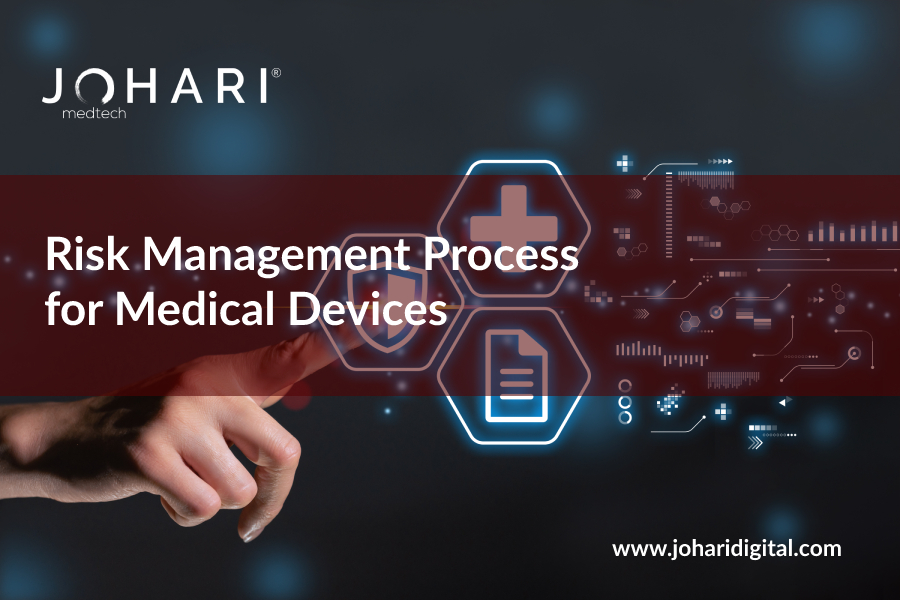
Risk Management in Medical Devices is a complex process and requires a strategic approach requiring careful analysis of steps involved in the manufacturing process. ISO 14971 requires specific practices meant for strategically implementing risk management in a Medical Device Development Process. The entire process is divided into several segments including:
- Analyze
- Evaluate
- Control
- Monitor Risks
What is defined as a risk?
The probability of occurrence of harm and the severe effect it can cause is defined as “Risk”.
Why is Risk Management needed?
Medical devices are unlike any other commodity of use. It is important to have a risk management system that prevents major flaws and ensures safety for the medical device. The US FDA mandates Quality System Regulation (21 CFR Part 820). The regulations ensure that the devices being developed are safe and offer high-quality medical devices.
The Role of ISO 14971
The core intent of implementing ISO 14971 is to identify major risks and implement strategies accordingly. The structure of ISO 14971 is outlined in a way to come up with solutions for effectively eliminating the risks associated with each step of the manufacturing process.
The strict harmonized ISO 14971 outlines specifications for risk management in medical devices:
- The risk policy for the device must be clearly outlined
- The risk associated with the device must be minimized as much as possible
FAQs
1. What is ISO 14971?
ISO 14971 is a standard that provides a framework for identifying, evaluating, and minimizing risks in medical devices to an acceptable level.
2. Is the application of ISO 14971 mandatory for medical device units?
ISO 14971 is not explicitly mandated under ISO 13485:2016 (Clause 7.1). However, organizations are expected to implement risk management practices aligned with ISO 14971, as auditors evaluate the effectiveness of risk mitigation strategies across the product lifecycle.
3. Does the FDA mandate risk analysis during medical device manufacturing?
Yes, FDA guidelines require risk analysis throughout the medical device development and manufacturing lifecycle.
4. Can TENS cause any health risks during or after use?
In general, TENS does not pose significant health risks. However, prolonged use may cause mild skin irritation, such as redness, in individuals with sensitive skin.
5. Are there risks associated with ultrasound therapy devices?
Therapeutic ultrasound devices are non-invasive and generally safe, with minimal risk of skin damage when used appropriately.