
Syrma Johari MedTech supports registration in 80+ countries through end-to-end regulatory strategy, technical file and design dossier preparation, and submission support across key global markets.
SJML helps OEMs navigate complex regulatory pathways and accelerate market access with confidence. Each region demands a clear device classification, defined regulatory pathway, and well-structured technical documentation aligned with frameworks such as EU MDR/IVDR and FDA requirements. We work with our customers to devise a well-planned approach to enable faster approvals.
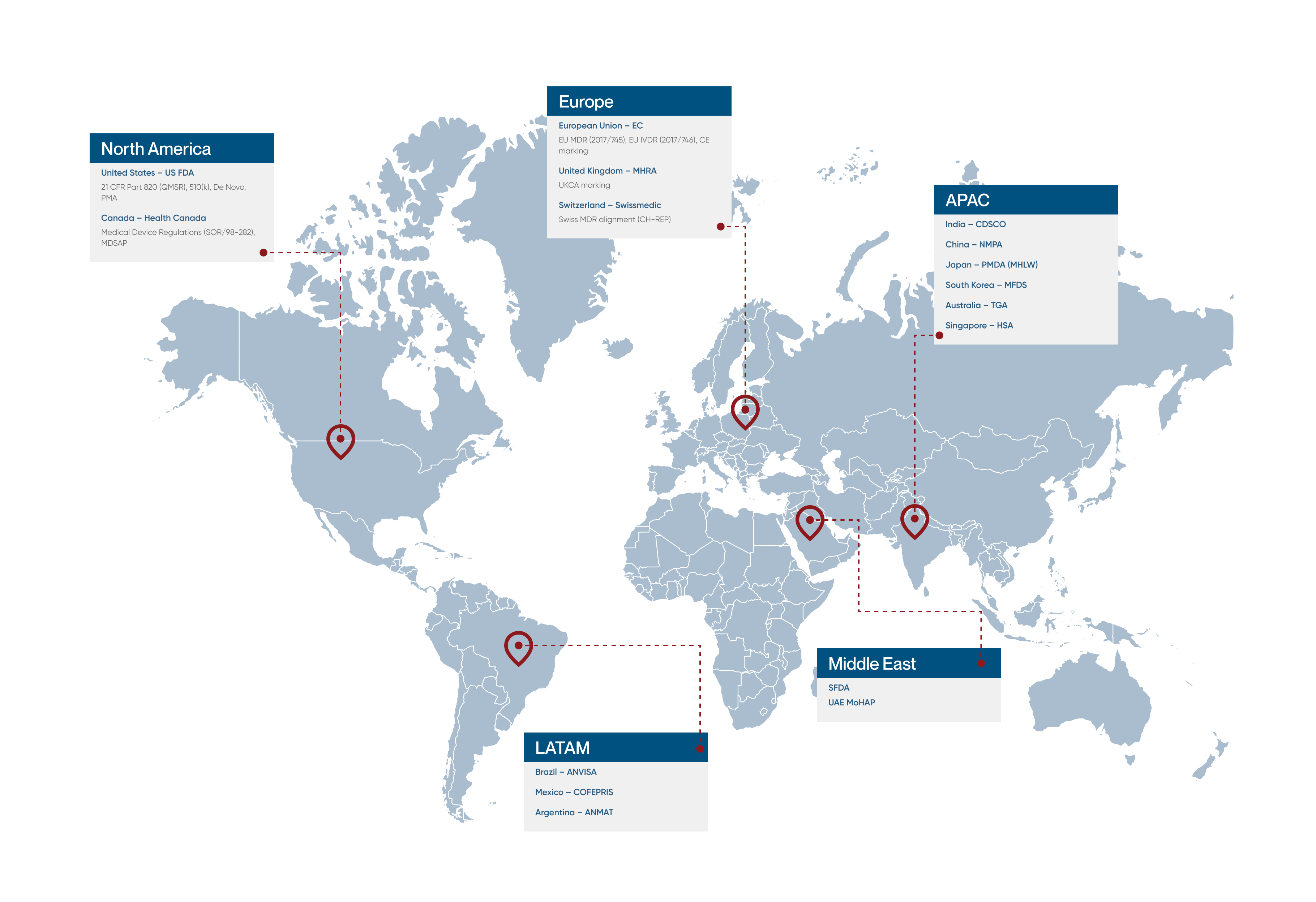
Partner with a team that integrates regulatory strategy, documentation, and execution to streamline global approvals.
The right sequencing depends on your commercial priorities, device risk, competitive context, and available evidence. In many cases, manufacturers benefit from securing an anchor approval such as FDA authorization or EU CE marking first, then leveraging that approval for reliance or recognition pathways in other jurisdictions.
Yes, when the evidence strategy is planned correctly. Clinical, analytical, and performance data can often be structured for multi-market use, though some jurisdictions may still require supplemental local or intended-use-specific evidence.
Timelines vary by device class, market, and pathway. Lower-risk products may move through some markets in 6–12 months, while high-risk devices, advanced IVDs, or products requiring clinical evidence may take considerably longer.
The manufacturer retains legal responsibility for the product, quality system, and underlying technical information. SJML supports strategy, documentation, submission management, authority liaison, and lifecycle compliance execution.
Global registrations must be actively managed as products change. Design changes, site transfers, labeling updates, and new indications may trigger notifications, supplements, or new submissions depending on the jurisdiction. A structured lifecycle approach helps maintain compliance across markets.